
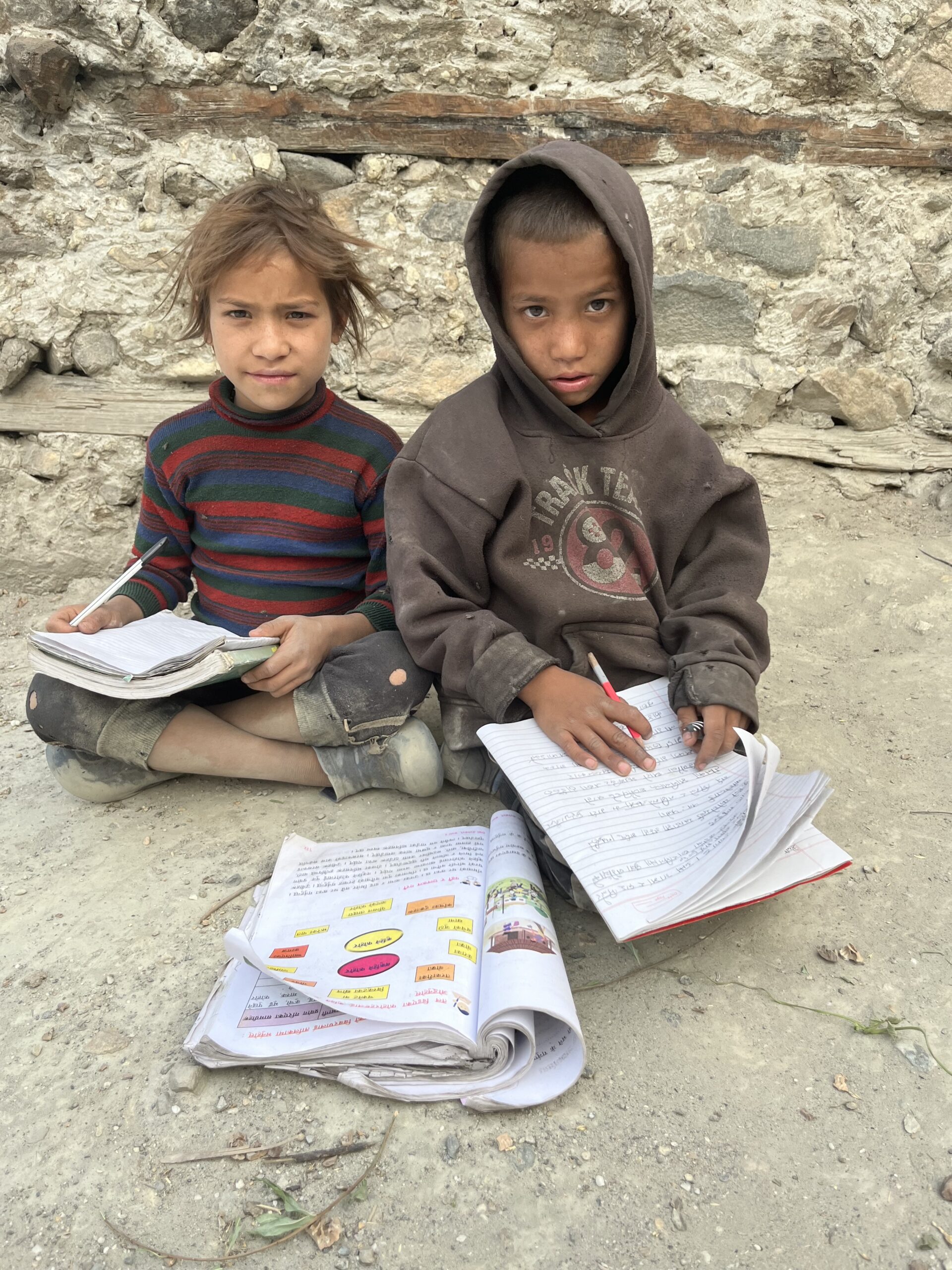
My name is Kamal, and I am from Humla District, Nepal, one of the most remote and underdeveloped regions in the world. My family lived on less than $100 a year. We are subsistence farmers who rely on what we grow, and many times we went to bed hungry. I’m the youngest of three siblings, and growing up, we lacked almost everything: food, healthcare, and education.
I first learned the alphabet using a wooden board my father made for me. I’d mix a bit of mud and water and scratch letters onto it with a stick. That was my notebook until grade five because we couldn’t afford actual paper or pencils.
When I was five, I lost my left hand in a bomb blast. In a place like Humla, where physical labor is everything, losing a hand meant losing the chance to survive. But I had one thing left, the hunger to learn. A politician from our district helped me get into a school five days away from home. I had to walk there because there were no roads or vehicles.
At 12, I left home on foot in search of education and didn’t return for seven years. I had no way to contact my family because we didn’t have phones, and my village didn’t have any network. The school paid for tuition and a place to live, but I had no money for clothes or personal needs. I wore the same school uniform every single day for seven years, washing it and reusing it.
That school, the Martyr Memorial Residential School, only went up to grade 10. After I graduated, I returned home. My parents couldn’t afford to send me to high school. I had to choose, follow the same life my parents lived or chase something more. I started looking for scholarships.
I had done well in the national exams and was listed as one of Nepal’s outstanding students in 2018. One of my teachers told me about United World Colleges (UWC). There were limited full scholarships seats available, but I applied anyway. I had to walk five days again just to reach the city and borrowed a cousin’s phone at night to fill out the online application. I didn’t know English, so I used Google Translate. It took me ten days. I submitted it, and somehow, I got selected for the interview.
In 2020, during the COVID pandemic, I had to travel to Kathmandu for the final interview. Everything was closed, hotels, buses, restaurants. I packed dry noodles and homemade food and walked 13 days to get there. It was winter. It rained. We slept outside. My brother came with me, and I’ll always be thankful for that.
In the end, I got the scholarship. I was placed at a UWC Robert Bosch College. I had never studied in English before, and the first few months were really hard. I didn’t understand anything in class. I went to extra sessions, copied notes from friends, and did everything I could to keep up. Slowly, I improved. Eventually, I did well. It was a major turning point of my life.
Later, I came to The University of Oklahoma to study Biology and Pre-Medicine. Becoming a doctor had always been my dream. But I realized I would not be able to support my family while in medical school. That’s when I changed my major to Biology and Community Health. It was a difficult decision, but a necessary one. Being part of the President’s Leadership Class here also opened new doors for me.
The $1,200 scholarship I received from President’s Leadership Class helped me send my brother to study medicine in the capital. He had lost hope after grade 10, but I pushed him to try again. Now he’s in one of Nepal’s top medical colleges, and in a few years, he’ll become a surgeon.
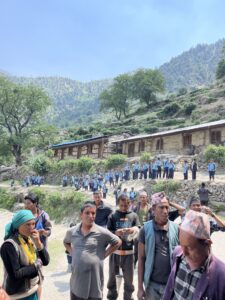
Last year, I visited my village for the first time since leaving for Germany. Nothing had changed. The kids were still hungry, the parents still hopeless, and the same problems, poverty, lack of education, and rising alcoholism, were everywhere. I knew I had to do something.
That’s why I started an educational foundation. Right now, we support 10 children by giving them scholarships, school supplies, and daily nutritious meals. But there are hundreds more who need help. I fund the organization myself with whatever I earn from my part-time job at OU. I work 20 hours every week while taking 17 to 18 credit hours each semester. Every dollar I earn goes to my family, my brother’s education, or the children back home.
Now I’ve started writing a book to raise funds and expand the foundation to other underserved areas of Nepal. My journey is not over. I’m still walking forward, for my family, for my village, and for every child who just needs a chance.
Wow, very Impressive!